In the fast-paced world of eCommerce, every detail matters. From product images and descriptions to pricing and reviews, each element plays a role in attracting customers. However, one of the most overlooked yet powerful factors is the product title.
If you’re wondering how to write a product title that ranks on Google Shopping, improves visibility, and drives more sales, you’re not alone. Many sellers focus heavily on product descriptions and marketing campaigns while underestimating the impact of a well-optimized title.
The truth is that your product title is often the first thing both search engines and shoppers see. A strong title can increase click-through rates, improve search relevance, and help your products stand out among thousands of competing listings.
Whether you’re selling on your own website, through Google Shopping, or on an eBay alternative like TrueGether, mastering product title optimization can significantly improve your results.
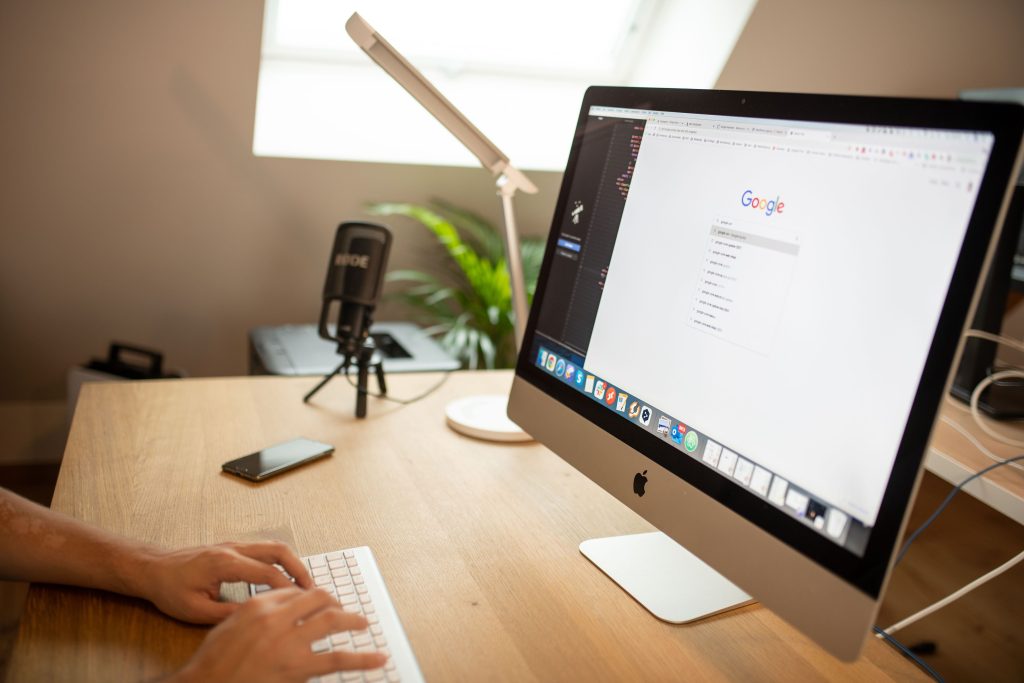
Why Product Titles Matter More Than Ever
Online shopping continues to grow at an incredible pace. According to industry reports, global eCommerce sales surpassed $6 trillion annually, and online retail now accounts for more than 20% of total retail sales worldwide. With millions of products competing for attention, visibility has become one of the biggest challenges for online sellers.
Google Shopping relies heavily on product data to determine which products appear for specific searches. Among all product attributes, the title is one of the most influential ranking factors.
A well-written product title helps:
- Improve visibility in Google Shopping results
- Increase click-through rates (CTR)
- Match buyer search intent
- Reduce customer confusion
- Improve conversion rates
- Generate more qualified traffic
In simple terms, if Google doesn’t clearly understand what you’re selling, your products may never reach potential customers.
Understanding Search Intent Before Writing a Product Title
Before learning how to write a product title, it’s important to understand how buyers search online.
Most shoppers don’t use broad search terms. Instead, they search using highly specific phrases that describe exactly what they want.
For example, rather than searching for:
Watch
They may search for:
Men’s Stainless Steel Waterproof Watch Black Dial
Or instead of:
Laptop
They might search for:
Dell Inspiron 15 Laptop Intel Core i7 16GB RAM
The more accurately your title reflects what customers are searching for, the more likely your product will appear in relevant search results.
The Ideal Product Title Formula
While different categories require different approaches, successful product titles generally follow a proven structure.
Recommended Formula
Brand + Product Type + Key Features + Color + Size/Model
Example
Nike Running Shoes Men’s Air Zoom Pegasus 41 Black Size 10
This format immediately tells both Google and potential buyers exactly what the product is.
Include Important Keywords Naturally
One of the most important aspects of how to write a product title is keyword placement.
Your title should naturally include words customers are likely to search for.
Good Example
Samsung Galaxy S24 Ultra 256GB Titanium Black Unlocked Smartphone
Poor Example
Samsung Phone Smartphone Mobile Device Galaxy Best Cheap Phone Sale
The first example is clear, informative, and optimized. The second appears spammy and may negatively impact both user experience and search performance.
Remember: optimization is about relevance, not repetition.
Place Critical Information at the Beginning
Google often gives more weight to keywords appearing earlier in a title.
Whenever possible, prioritize:
- Brand
- Product Type
- Primary Feature
- Variations
Better Example
Apple MacBook Air M4 13-inch Laptop 16GB RAM 512GB SSD
Less Effective Example
13-inch Laptop with 16GB RAM and 512GB SSD Apple MacBook Air M4
The first title quickly communicates the product and improves readability.
Use Product Attributes That Buyers Care About
The most effective titles provide useful details that help shoppers make decisions quickly.
Important attributes include:
- Color
- Size
- Material
- Quantity
- Capacity
- Compatibility
- Style
- Model Number
Example
Stainless Steel Water Bottle 1 Liter Vacuum Insulated Blue
Compared to simply writing:
Water Bottle Blue
The detailed version provides significantly more context for both users and search engines.
Statistics Show Why Better Titles Matter
Data-driven optimization is becoming increasingly important in eCommerce.
Studies consistently show that shoppers make decisions within seconds of viewing a product listing. Alongside product images and pricing, the title is one of the primary factors influencing whether someone clicks on a listing.
Research also indicates that highly relevant search results typically receive significantly higher click-through rates than generic listings. This means that even small improvements in title quality can lead to meaningful increases in traffic and sales.
For sellers competing in crowded categories, title optimization often delivers one of the highest returns on effort.
Avoid Keyword Stuffing
Many sellers assume that repeating keywords will improve rankings.
Unfortunately, the opposite is often true.
Bad Example
Women’s Dress Dress Party Dress Elegant Women’s Dress Fashion Dress
Better Example
Women’s Elegant Evening Party Dress Long Sleeve Navy Blue
Keyword stuffing makes titles difficult to read and can reduce trust among shoppers.
Google prioritizes relevance and user experience, not repetition.
Use Numbers and Measurements
Numbers catch attention and provide valuable information.
Examples include:
- 500GB External Hard Drive
- 12-Pack Colored Markers
- 65-Inch Smart TV
- 24-Piece Dinner Set
- 1 Liter Water Bottle
Including dimensions, quantities, and measurements helps customers understand exactly what they’re purchasing.
Write for Mobile Shoppers
Mobile commerce continues to grow every year.
Many customers now browse and purchase products directly from smartphones, where screen space is limited.
Because mobile devices often display fewer characters, place the most important information at the beginning of the title.
Example
Sony WH-1000XM6 Wireless Noise Cancelling Headphones Black
Even if the title gets shortened, shoppers still see the most valuable details.
Optimize Titles by Category
Different product categories require different title strategies.
Electronics
Include:
- Brand
- Model
- Storage Capacity
- Color
- Technical Specifications
Example:
Dell Inspiron 15 Laptop Intel Core i7 16GB RAM 512GB SSD
Clothing, Shoes & Accessories
Include:
- Gender
- Product Type
- Material
- Color
- Size
Example:
Women’s Cotton Summer Dress Floral Print Blue Medium
Home & Garden
Include:
- Product Type
- Dimensions
- Material
- Intended Use
Example:
Wooden Coffee Table Modern Living Room Furniture Walnut Finish
Jewelry & Watches
Include:
- Material
- Gemstone
- Style
- Size
Example:
Sterling Silver Heart Pendant Necklace Cubic Zirconia
Learn from Competitors
One of the simplest ways to improve your product titles is by studying successful listings.
Review:
- Top-ranking products
- Frequently used keywords
- Common title structures
- Length of successful titles
- Product attributes included
The goal isn’t to copy competitors but to identify patterns that help products perform well.
Common Product Title Mistakes to Avoid
1. Using All Caps
BAD:
BEST SMARTPHONE CASE EVER
This appears unprofessional and can discourage clicks.
2. Including Promotional Language
Avoid phrases like:
- Best Price
- Limited Offer
- Free Shipping
- Huge Discount
Google Shopping prefers factual product information rather than marketing slogans.
3. Being Too Vague
A title like:
Silver Necklace
Provides very little information.
A better option would be:
Sterling Silver Heart Pendant Necklace Cubic Zirconia for Women
4. Excessive Abbreviations
Not every shopper understands abbreviations.
Instead of:
SS Necklace CZ Stone
Write:
Sterling Silver Necklace with Cubic Zirconia
Why Product Titles Matter on Marketplaces
Whether you’re selling through your own website or an eBay alternative such as TrueGether, product titles remain one of the most important optimization opportunities.
Many successful sellers spend considerable time refining their titles because they understand the direct connection between visibility and sales.
TrueGether offers sellers access to a wide range of buyers across categories including Clothing, Shoes & Accessories, Electronics, Collectibles, Books & Magazines, Home & Garden, and many others.
No matter which category you sell in, optimized titles help your products appear in relevant searches and attract qualified buyers.
Product Title Optimization Is an Ongoing Process
Learning how to write a product title isn’t a one-time task.
Monitor performance regularly by tracking:
- Impressions
- Click-through rates
- Conversion rates
- Search queries
- Sales performance
Even small adjustments such as adding a color, model number, or key feature can improve visibility and engagement.
Successful sellers continually test and refine their listings based on real-world performance data.
Final Thoughts
Understanding how to write a product title is one of the most valuable skills any online seller can develop. A well-crafted title helps Google understand your product, improves visibility in Google Shopping results, increases click-through rates, and drives more qualified traffic to your listings.
Focus on clarity, relevance, and buyer intent. Include important product attributes, prioritize essential keywords, avoid keyword stuffing, and always think about how your customers search.
As competition in eCommerce continues to increase, sellers who invest time in product title optimization will gain a significant advantage. Whether you’re launching new products, updating existing listings, or selling on an eBay alternative like TrueGether, a strong product title can be the difference between getting noticed and getting overlooked.
The next time you create a listing, remember that your title isn’t just a name—it’s one of the most powerful SEO tools available to help your products rank, attract buyers, and increase sales.