Global e-commerce is entering a powerful new phase — one where the next wave of growth won’t come from saturated markets like the U.S. or Western Europe, but from emerging economies across Asia, Latin America, Africa, and the Middle East. As technology bridges borders and marketplaces go truly global, brands and sellers are finding new opportunities to expand, diversify, and connect with millions of first-time online shoppers.
Platforms such as Xtend, which recently launched a marketplace-first solution for Southeast Asia (SEA), reflect this shift. Meanwhile, B2B marketplaces are surging across Asia-Pacific and Latin America, reshaping trade flows and empowering SMEs with digital tools, according to a GlobeNewswire report (2025).
But what’s fueling this transformation — and what must sellers, marketplaces, and e-commerce brands know to succeed? Let’s explore.
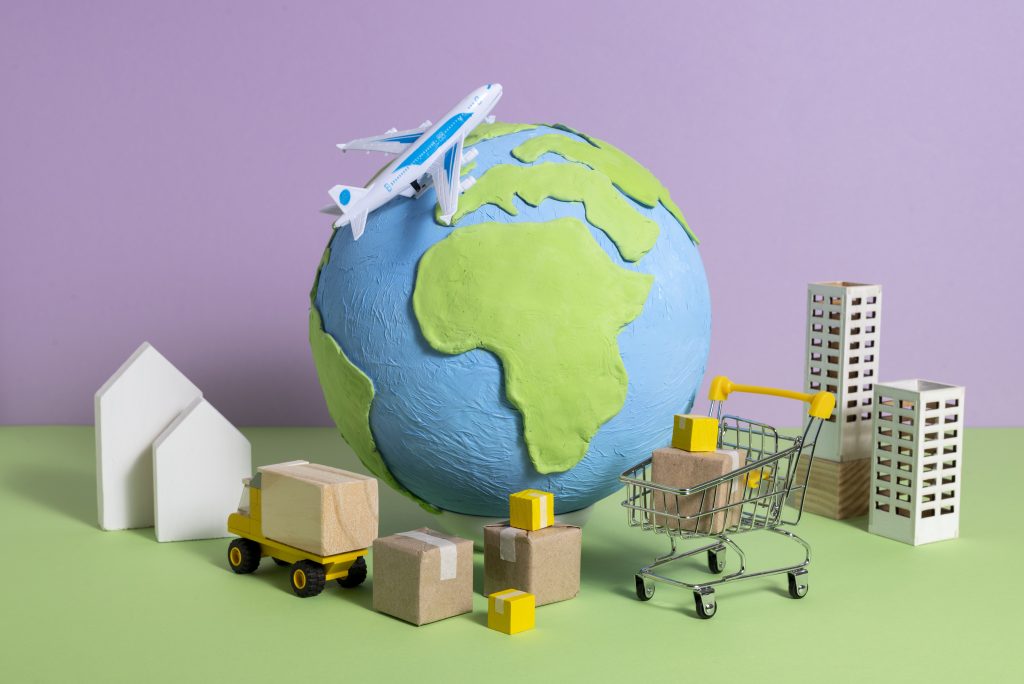
🌍 1. The New Growth Powerhouses of Global e-Commerce
While the global e-commerce market is projected to exceed $8 trillion by 2027, most of that expansion will come from emerging markets.
Southeast Asia is leading this wave, driven by digital inclusion, mobile penetration, and growing consumer confidence. Countries like Indonesia, Vietnam, Thailand, and the Philippines are witnessing a rapid rise in online shoppers. Platforms like Shopee, Lazada, and Tokopedia have localized their offerings — from payments to delivery — to meet regional demands.
Latin America is another hotspot. Brazil and Mexico have become digital shopping giants, supported by fintech innovation and logistics improvements. The Mercado Libre model shows how localized marketplaces can thrive with strong payment systems and regional fulfillment networks.
Meanwhile, Africa’s e-commerce story is powered by platforms like Jumia and a young, mobile-first population eager to buy online. From Lagos to Nairobi, digital entrepreneurs are reshaping retail with creative solutions around payments and last-mile delivery.
Key takeaway: Cross-border and emerging-market growth is not a future prediction — it’s happening now, and sellers ignoring these regions risk missing the next big opportunity.
🚚 2. Logistics: The Backbone of Emerging-Market Success
E-commerce expansion is only as strong as the logistics that support it.
In developed economies, same-day or two-day delivery is standard. But in emerging markets, infrastructure gaps and fragmented supply chains create unique challenges — and opportunities for innovation.
- Micro-fulfillment centers and local warehousing are becoming the norm in dense cities.
- Third-party logistics (3PL) companies are helping sellers overcome cross-border shipping hurdles.
- Smart customs and digital tracking systems are making trade faster and more transparent.
- Collaborations between marketplaces and local carriers (e.g., Lazada Express, DHL partnerships) are streamlining operations.
For cross-border sellers, the message is clear: the faster and more predictably you deliver, the higher your conversion and retention rates. Logistics excellence is a competitive advantage.
💳 3. Localization: Speak the Market’s Language — Literally
In cross-border trade, localization is everything. From product listings and customer support to payment options and post-purchase communication — every touchpoint must feel local.
Key localization factors include:
- Language & content adaptation: Translating listings is not enough. Cultural nuances, local idioms, and regional preferences influence buyer trust.
- Payment systems: While credit cards dominate Western markets, cash-on-delivery (COD), digital wallets, and BNPL (Buy Now Pay Later) models are more common across Asia and Africa.
- Currency conversion & pricing transparency: Buyers are more likely to complete purchases when they see prices in their local currency.
For example, TrueGether’s marketplace approach — focusing on seamless buyer-seller interaction and transparent pricing — mirrors what’s working globally: trust, local relevance, and easy access.
🛃 4. Regulatory Realities in Cross-Border Commerce
As marketplaces expand globally, they must navigate a maze of import duties, consumer protection laws, and data privacy rules.
Each region has its quirks:
- The EU’s Digital Services Act (DSA) tightens rules for online platforms, holding them accountable for counterfeit goods and transparency.
- ASEAN nations are harmonizing trade rules to make cross-border e-commerce smoother.
- Latin America continues to reform customs procedures to reduce import delays.
Understanding and complying with these regulations is crucial. Brands that invest early in compliance, documentation, and digital customs integration gain trust and avoid costly penalties.
🧠 5. Changing Consumer Behavior: The Local Buyer Mindset
Emerging-market consumers don’t shop the same way as those in mature economies — and that’s a good thing.
Unique trends shaping buyer behavior include:
- Mobile-first commerce: In regions like SEA and Africa, over 80% of online shopping happens on smartphones.
- Social commerce: Platforms like TikTok Shop and Instagram have become powerful sales drivers in developing regions.
- Trust & authenticity: First-time online buyers seek reassurance — authentic listings, clear return policies, and visible reviews are critical.
- Community-based discovery: Peer recommendations and local influencers play a huge role in driving sales.
To succeed, brands must adapt their content, advertising, and customer engagement strategies to local behaviors — not just replicate what works in Western markets.
💡 6. Strategies for Brands & Marketplaces Going Global
Here’s how global sellers can position themselves for success:
- Partner smartly: Work with regional marketplaces like Shopee, Mercado Libre, or Jumia to build credibility.
- Leverage technology: Use AI tools for translation, data analytics, and customer insights.
- Diversify logistics: Combine global couriers (DHL, FedEx) with local delivery partners.
- Focus on trust: Offer transparent pricing, easy returns, and verified listings to attract long-term buyers.
- Test and scale: Start small in one region, learn from performance, then expand strategically.
TrueGether’s own marketplace model aligns with this global vision — supporting cross-border sellers, multi-currency listings, and transparent buyer experiences to help businesses grow beyond borders.
🌐 Conclusion: The Global Marketplace Is Borderless
The new era of e-commerce isn’t defined by geography — it’s defined by connectivity, localization, and inclusivity. Emerging markets are not just participants; they’re shaping the future of online retail.
For sellers, the message is simple: go where the growth is.
Adapt to regional needs, build trust across cultures, and invest in technology that brings your products to new audiences.
As platforms like TrueGether continue enabling seamless, secure, and borderless trade, the world of e-commerce becomes exactly what it was meant to be — a global marketplace without limits.