As the monsoon sweeps across India, it’s not just streets and homes that are drenched—shopping carts are too. With heavy rains lashing cities and towns, consumers are increasingly turning to digital platforms for their daily needs, entertainment, and home essentials. Seasonal weather patterns, especially the monsoon, are reshaping how people shop, what they buy, and how they interact with brands.
E-commerce marketplaces and quick commerce services are witnessing unprecedented growth during this period. From groceries to gadgets, delivery platforms are seeing a surge in orders as people choose the comfort and safety of doorstep service over braving waterlogged streets. At Truegether, we believe understanding these shifting shopping habits is crucial for brands looking to stay connected with their customers. In this blog, we’ll explore how these changes are influencing shopping behavior, the challenges businesses face in handling demand spikes, and how brands can adapt to meet customer expectations effectively.
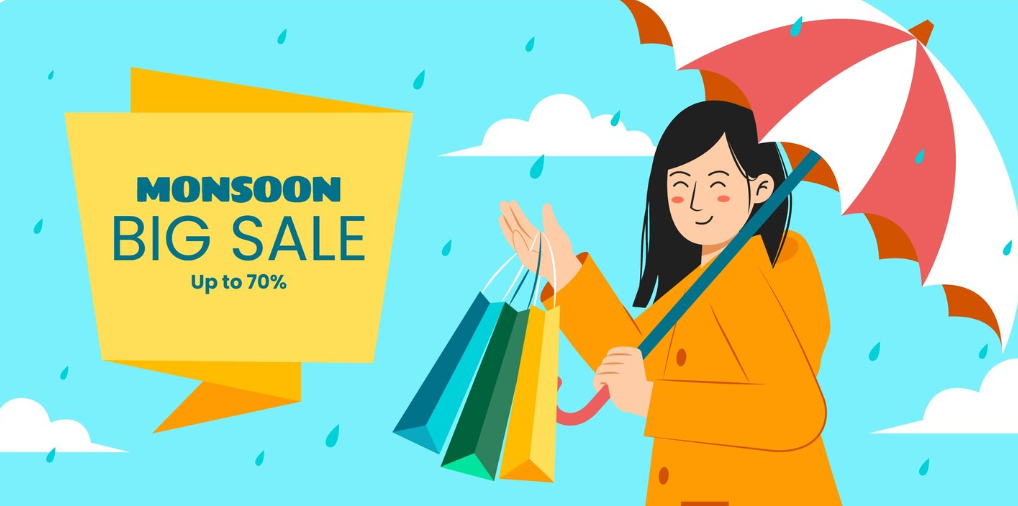
The Monsoon’s Influence on Consumer Behavior
Staying Indoors, Staying Online
As the rains intensify, stepping out becomes less convenient and sometimes even risky. Consumers increasingly prefer ordering essentials such as groceries, packaged foods, home care products, and entertainment devices online. Work-from-home routines further contribute to this behavior, with many preferring to stay indoors rather than face commuting challenges.
E-commerce platforms are not just an option anymore—they have become a necessity for everyday convenience. Especially in metropolitan cities like Mumbai, Bengaluru, and Kolkata, where waterlogging and traffic snarls disrupt normal life, online shopping offers a safe alternative. At Truegether, we’ve seen our partner brands emphasize customer care and fast delivery during monsoon peaks, making digital shopping a reliable choice for consumers.
Safety, Convenience, and Comfort
The monsoon’s impact goes beyond discomfort. Slippery roads, overflowing drains, and health concerns like seasonal infections discourage physical store visits. Digital platforms provide a safer, hassle-free experience by enabling customers to order items without stepping out. Moreover, doorstep delivery means that customers can access products anytime, avoiding unnecessary exposure to the elements.
The convenience of shopping from a mobile app, combined with fast delivery and hassle-free returns, has made e-commerce the go-to choice during this season. Truegether’s insights show that consumers increasingly value convenience and safety, with many revisiting platforms they trust to fulfill urgent needs.
Shift in Product Preferences
Monsoon-specific needs influence what consumers add to their carts. Packaged foods with longer shelf lives, rain gear such as umbrellas and waterproof accessories, medical supplies, home repair essentials, and entertainment subscriptions see significant demand. Many consumers also stock up on personal care items and household cleaning products to minimize trips outside during heavy rains.
According to industry reports, e-commerce orders in major cities rise by 30–50% during peak monsoon weeks, especially for groceries and healthcare products. At Truegether, we help brands analyze these trends so they can align product offerings with seasonal demands.
The Role of Quick Commerce and Hyperlocal Delivery
Platforms offering ultra-fast delivery windows of 10–30 minutes are turning the monsoon challenge into an opportunity. By partnering with neighborhood stores, these services ensure that customers receive their orders quickly, even during peak traffic or erratic weather conditions.
Services like Dunzo, Zepto, and Blinkit have seen order volumes increase by nearly 40% on heavy rainfall days, a clear indicator of the growing demand for convenience-based shopping. Quick commerce is bridging the gap between supply and demand by ensuring that customers have access to essentials without delay.
However, this model comes with its own set of challenges. Waterlogged streets, supply chain delays, and the safety of delivery personnel are major concerns during extreme weather. Logistics teams need to adapt by planning alternate routes, creating resilient supply chains, and ensuring that packaging keeps products safe from moisture damage.
At Truegether, we work closely with brands to implement hyperlocal strategies that leverage neighborhood partnerships, helping businesses stay agile and customer-centric during adverse weather.
Marketing Strategies During the Monsoon
Brands that understand monsoon-driven consumer needs are tailoring their marketing efforts accordingly. Some common strategies include:
- Discounts on rain-friendly products: Promoting umbrellas, raincoats, waterproof gadgets, and health supplements.
- Free or priority delivery during certain hours: Offering incentives to customers ordering during peak weather disruptions.
- Bundled home-care kits: Creating ready-to-use kits with groceries, cleaning supplies, and medical essentials.
- Seasonal content campaigns: Sharing guides like “Stay Safe Indoors” or “Monsoon Must-Haves” to connect emotionally with customers.
Advanced marketers are also deploying location-based notifications and weather-triggered ads to engage users when they need products the most. By sending reminders when heavy rainfall is forecasted, platforms can nudge customers to plan their shopping ahead of time.
Actionable Insight:
Empathy-driven messaging resonates far more than aggressive discounts. Brands that genuinely care about customer safety, health, and comfort will foster trust and long-term loyalty. At Truegether, we help businesses craft thoughtful, data-backed campaigns that enhance customer engagement while building brand affinity.
How Weather Analytics Is Reshaping E-Commerce
Data-driven insights are becoming essential tools for navigating monsoon demand surges. Brands are increasingly using historical weather patterns and real-time forecasts to predict customer needs, plan inventory, and optimize delivery routes.
Artificial Intelligence (AI) and machine learning models are helping e-commerce businesses identify patterns such as which products are likely to spike in demand, which areas face logistical disruptions, and how to personalize recommendations. For instance, if a city is expecting three days of heavy rain, platforms can proactively push grocery essentials to customers in advance.
Looking ahead, integrating climate analytics into business models will not just be an option—it will be vital. As extreme weather events become more frequent, brands that plan with foresight and data-backed strategies will stay ahead of competitors. Truegether’s analytics tools empower businesses to harness this data, ensuring they meet customer expectations before they arise.
Challenges Faced by Businesses
Despite the opportunities, monsoon-driven demand also presents significant hurdles:
- Supply chain disruptions: Waterlogging and roadblocks often delay shipments, affecting customer experience.
- Product damage risks: Moisture exposure can ruin packaging and goods, especially perishables.
- Delivery safety concerns: Ensuring the well-being of delivery personnel navigating unsafe roads is a top priority.
- Customer service overload: Increased order volumes lead to longer response times and higher complaint rates.
At Truegether, we guide businesses through these challenges, helping them build resilient operations that prioritize safety, reliability, and customer satisfaction.
What Lies Ahead: Opportunities for Innovation
The monsoon season is pushing businesses to innovate faster than ever before. Some promising areas include:
- Smarter logistics networks: Using predictive routing, alternate delivery points, and real-time traffic monitoring.
- Collaborations with local vendors: Building trust and ensuring last-mile efficiency through neighborhood partnerships.
- Subscription models: Offering regular deliveries for frequently needed monsoon essentials like groceries, medicines, and personal care items.
- Sustainable packaging: Minimizing waste by using eco-friendly materials that withstand moisture and protect products.
By embracing innovation, businesses can transform seasonal challenges into long-term opportunities for growth. Truegether’s solutions are designed to support businesses in this transformation, helping them scale efficiently and sustainably.
Conclusion
The monsoon is more than a change in weather—it’s a catalyst for evolving shopping habits, transforming how consumers buy, what they prioritize, and how businesses operate. E-commerce and quick commerce platforms are stepping up to meet new demands, but the key to success lies in empathy, innovation, and data-driven strategies.
For businesses, the monsoon is an opportunity—not just to boost sales, but to build trust, resilience, and customer loyalty. By understanding seasonal trends and planning ahead, brands can deliver value when it matters most. At Truegether, we’re committed to helping businesses navigate these changes with insights, tools, and strategies that ensure growth and customer satisfaction.