Online shopping is going through a major shift.
For a long time, traditional e-commerce focused on one simple idea- selling brand-new products at competitive prices. But today’s younger shoppers, especially Gen-Z, are changing how online marketplaces work.
Instead of buying new items every time, they are now choosing:
- pre-owned fashion
- refurbished electronics
- handmade products
- vintage collectibles
- thrifted accessories
- upcycled home décor
And one of the biggest signs of this change came recently when eBay acquired second-hand fashion marketplace Depop for $1.2 billion.
This move highlights something important: resale commerce is no longer a small niche — it is becoming the future of online retail.
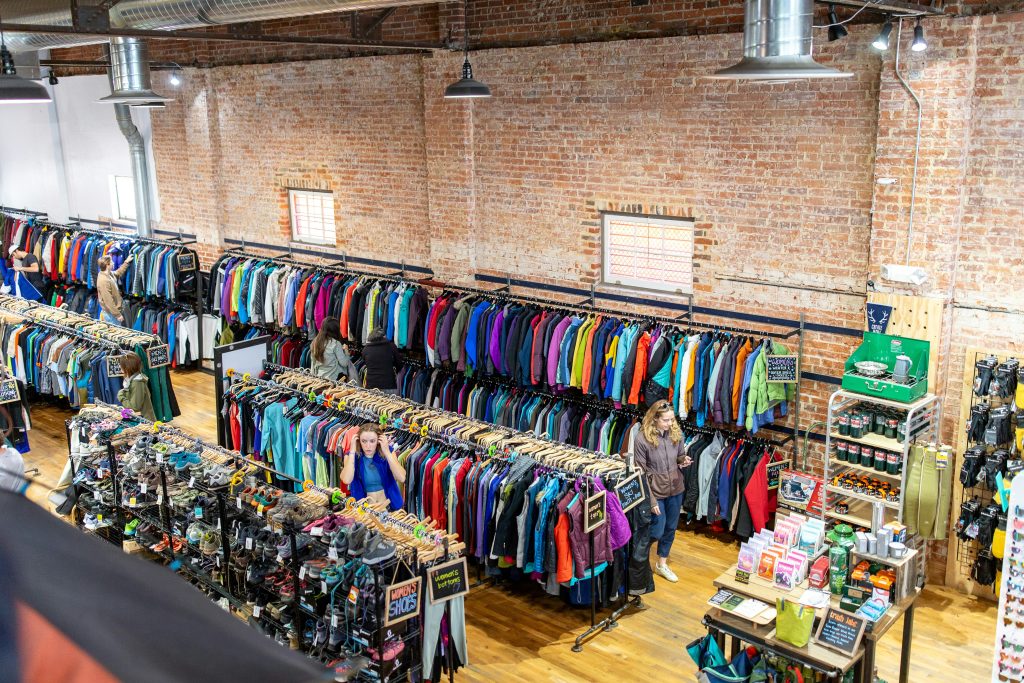
What Is Resale Commerce (Recommerce)?
Resale commerce, also called recommerce, refers to the buying and selling of previously owned or refurbished goods through online marketplaces.
It includes products like:
- second-hand clothing
- used smartphones
- refurbished laptops
- vintage sneakers
- handmade jewelry
- DIY crafts
- furniture
- gaming consoles
- collectibles
According to industry reports:
- The global resale market is expected to reach $350 billion by 2028
- Second-hand fashion alone is growing three times faster than traditional retail
- Nearly 40% of Gen-Z shoppers purchase used clothing regularly
- Around 70% of young buyers say sustainability impacts their shopping choices
These numbers clearly show that resale marketplaces are becoming a key part of the modern e-commerce ecosystem.
Why Gen-Z Prefers Resale Marketplaces
Gen-Z shoppers (born between 1997 and 2012) are now one of the fastest-growing online shopping segments. But their shopping habits are very different from previous generations.
They care less about whether a product is new — and more about whether it is:
- unique
- affordable
- eco-friendly
- customizable
- rare
- community-driven
1. Sustainability Matters
Fashion waste is a growing global concern.
Every year, the world generates nearly 92 million tons of textile waste. Buying second-hand items can reduce carbon emissions by up to 82% compared to purchasing new products.
That’s why resale platforms are becoming a popular choice for environmentally conscious shoppers.
2. Individual Style Over Brand Labels
Gen-Z values self-expression more than brand loyalty.
They are actively searching for:
- vintage streetwear
- thrift fashion
- Y2K outfits
- custom sneakers
- handmade accessories
- retro jackets
Peer-to-peer marketplaces allow buyers to find products that are not mass-produced — giving them a more personal shopping experience.
3. Social Commerce Experience
Many resale platforms combine shopping with social interaction.
Sellers often:
- post styled product photos
- create themed collections
- interact directly with buyers
- build their own brand identity
This turns online shopping into a more engaging and community-driven activity instead of just a simple transaction.
What the Depop Acquisition Means for Online Marketplaces
eBay’s acquisition of Depop is a strategic move to connect with younger shoppers who prefer social and resale-focused platforms.
Depop already has:
- over 30 million registered users
- millions of active sellers worldwide
- a majority user base under the age of 30
By investing in a resale marketplace, eBay is acknowledging the rapid growth of:
- fashion resale
- peer-to-peer commerce
- social selling platforms
- creator-led storefronts
It also reflects the growing competition between large horizontal marketplaces and smaller niche platforms.
Many sellers today are exploring niche platforms and multi-channel selling strategies in search of an eBay alternative that better supports specialized product categories.
Fast-Growing Resale Categories in Online Marketplaces
Resale commerce is expanding beyond clothing into multiple high-growth product categories.
Sneaker Resale
Limited-edition sneakers are often resold online for:
- 2x to 5x their original retail price
This category has become one of the fastest-growing segments in online resale marketplaces.
Refurbished Electronics
Products such as:
- smartphones
- laptops
- tablets
- gaming consoles
are gaining popularity due to:
- rising technology prices
- longer product life cycles
- sustainability awareness
Refurbished electronics marketplaces are expected to grow by 10% to 15% annually.
Furniture and Home Décor
Second-hand furniture and décor items are increasingly in demand among:
- remote workers
- eco-friendly homeowners
- minimalist buyers
Popular resale items include:
- vintage furniture
- handmade décor
- reclaimed wood products
- DIY home accessories
Handmade and Upcycled Products
Products that combine resale with creativity are also gaining traction, such as:
- customized clothing
- handmade jewelry
- crochet accessories
- art prints
- recycled fashion items
These products often perform well on community-focused online marketplaces.
Why Sellers Are Choosing Niche Marketplaces
Selling on large online marketplaces can sometimes be challenging due to:
- intense competition
- high listing fees
- advertising expenses
- strict ranking algorithms
- limited storefront customization
Niche marketplaces often offer:
- targeted customer audiences
- lower fees
- better product discoverability
- flexible storefront options
- community-based engagement
This is why many sellers are adopting multi-platform selling strategies and exploring platforms such as TrueGether to reduce dependency on a single marketplace.
The Role of Social Commerce in Resale Growth
Shopping today is becoming more interactive and community-driven.
Modern buyers want to:
- watch styling videos
- see real product usage
- read peer reviews
- follow creator storefronts
- engage directly with sellers
Features like:
- live selling
- short-form video listings
- influencer storefronts
- user-generated content
are becoming common across online marketplaces.
Resale platforms that combine community interaction with product discovery are outperforming traditional listing-based websites.
Future Trends in Online Marketplaces
Based on current trends, the future of resale commerce may include:
- continued growth of second-hand marketplaces
- increased demand for sustainable products
- rise of peer-to-peer selling
- expansion of social commerce
- popularity of niche marketplaces
- multi-platform selling strategies
As more buyers look for:
- vintage fashion
- refurbished electronics
- handmade goods
- affordable alternatives
the demand for flexible marketplace platforms and effective eBay alternative options will continue to rise.
Conclusion
eBay’s $1.2 billion Depop acquisition signals a major shift in the e-commerce industry.
Resale marketplaces are no longer just an option — they are becoming a central part of the online retail experience.
With Gen-Z shoppers prioritizing sustainability, individuality, and affordability, recommerce is set to play a significant role in shaping the future of digital marketplaces.
For sellers and online businesses, adapting to this resale-driven trend can be an effective way to stay competitive in an evolving e-commerce landscape.