The eCommerce landscape in 2026 is evolving faster than ever before. For years, brands focused heavily on one goal—driving traffic to their websites. SEO strategies, paid ads, and social campaigns were all designed to bring users onto a dedicated platform where purchases could happen. But today, that traditional funnel is being disrupted by a powerful shift known as Zero-Click Commerce.
This new model is changing how consumers discover products, make decisions, and complete purchases—often without ever visiting a website. As this trend accelerates, businesses are beginning to ask a critical question: Are websites becoming obsolete, or are they simply evolving?
Let’s explore what zero-click commerce really means, why it’s growing so rapidly, and how it’s reshaping the future of online shopping.
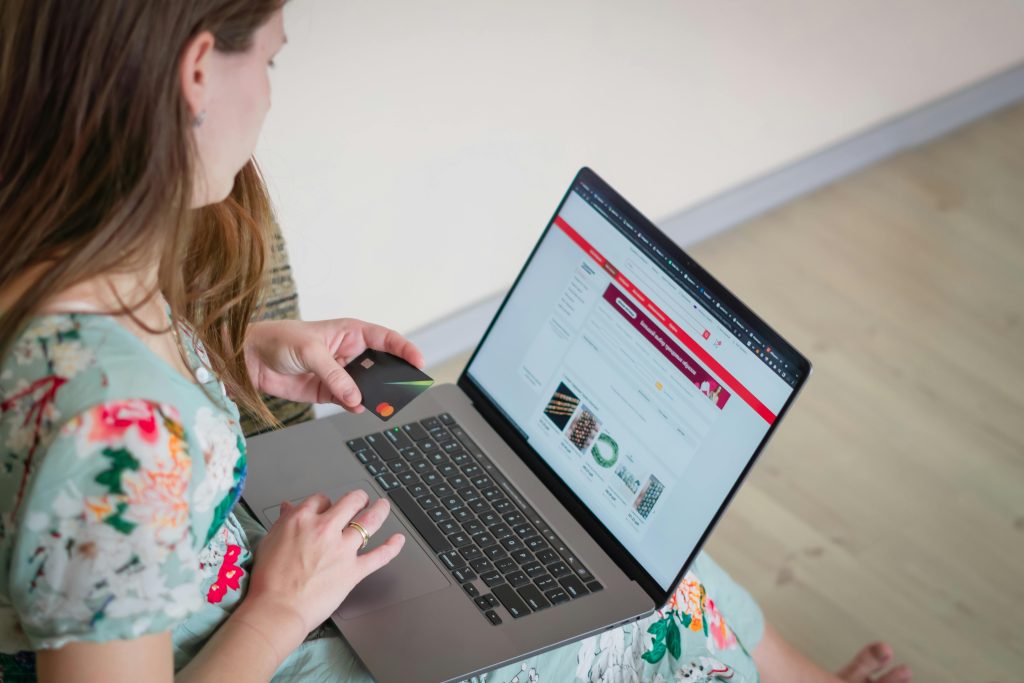
What Is Zero-Click Commerce?
Zero-Click Commerce refers to a buying journey where customers complete their purchase without navigating to a brand’s website. Instead, the entire experience—from discovery to checkout—happens within a single platform.
These platforms include:
- Social media apps with built-in shopping features
- Search engines that display direct purchase options
- AI-powered assistants and chat interfaces
- Online marketplaces
For example, a user scrolling through short-form videos may see a product, tap a “Buy Now” button, and complete the purchase instantly—without ever opening a browser tab.
This approach eliminates the need for multiple steps like visiting a website, browsing categories, adding items to a cart, and filling out checkout forms. The result is a seamless, frictionless shopping experience.
The Data Behind the Shift
Zero-click commerce is not just a concept—it’s backed by strong data and measurable trends.
- Nearly 69% of online searches now end without a click to an external website
- On mobile devices, this figure rises to over 75%, reflecting how users prefer instant answers
- Organic click-through rates have dropped by more than 50% in some sectors due to AI-generated summaries
- 70% of consumers rely on AI-driven recommendations before making purchase decisions
- Social commerce is expected to cross $900 billion globally in 2026
- Approximately 35% of online purchases are influenced by AI personalization systems
- Among Gen Z shoppers, up to 60–65% prefer in-app or conversational shopping experiences
These statistics reveal a clear pattern: customers are interacting less with websites, but buying more than ever.
Why Zero-Click Commerce Is Growing So Fast
1. Convenience Is King
Modern consumers value speed and simplicity above all else. Every extra step in the buying process increases the chances of drop-off. Zero-click commerce removes friction by allowing users to complete transactions instantly.
Instead of navigating through multiple pages, users can make a purchase in seconds. This convenience significantly boosts conversion rates.
2. Social Media Has Become a Marketplace
Social platforms are no longer just for communication and entertainment—they have become powerful sales channels.
Features like in-app checkout, product tagging, and live shopping events enable users to move from discovery to purchase without leaving the platform.
3. AI Is Reshaping Product Discovery
AI-powered tools are transforming how people search for products. Instead of browsing multiple websites, users now ask AI assistants for recommendations.
These systems analyze user preferences, compare options, and present curated suggestions—often with direct purchase links. This reduces the need for traditional browsing and decision-making.
4. Shorter Attention Spans
Consumer attention spans are shrinking. Users want quick answers and immediate solutions. Zero-click commerce aligns perfectly with this behavior by delivering instant results.
5. Rise of Integrated Payment Systems
Digital wallets, one-click payments, and saved payment methods make it easier than ever to complete transactions instantly. When payment details are already stored, checkout becomes almost invisible.
The Impact on Traditional Websites
The rise of zero-click commerce has significantly affected the role of traditional websites.
Many businesses are experiencing:
- Declining organic traffic
- Reduced engagement rates
- Lower returns on traditional SEO strategies
In some industries, brands have reported traffic drops of 30% to 50% due to AI-driven search changes and in-platform shopping.
However, this does not mean websites are becoming irrelevant. Instead, their function is changing.
Are Websites Becoming Obsolete?
The short answer is no—but their role is evolving.
Websites are no longer the primary entry point for customers. Instead, they serve as:
1. Trust and Credibility Hubs
Customers still visit websites to verify brand authenticity, read detailed product descriptions, and check reviews.
2. Content Sources for AI
AI systems pull information from websites to generate recommendations. This makes high-quality, structured content more important than ever.
3. Backup Conversion Channels
Some users still prefer traditional shopping experiences, especially for high-value purchases.
In essence, websites are shifting from being sales drivers to support systems within a broader ecosystem.
The Role of Marketplaces and the Rise of the “eBay Alternative”
As zero-click commerce grows, marketplaces are becoming even more central to the eCommerce ecosystem.
Platforms that act as an ebay alternative are gaining popularity because they offer:
- Built-in customer traffic
- Established trust and credibility
- Seamless integration with social and AI-driven platforms
For sellers, these platforms reduce the need to invest heavily in website development and traffic generation. Instead, they can focus on product quality, pricing, and customer experience.
For example, a seller offering products in categories like Clothing, Shoes & Accessories can reach buyers instantly through marketplace discovery rather than waiting for website traffic to build organically.
In fact, many businesses in 2026 are adopting a marketplace-first strategy, where their primary sales channel is an external platform rather than their own website.
How Consumer Behavior Is Changing
Zero-click commerce reflects a deeper shift in consumer behavior.
From Browsing to Instant Decisions
Customers are no longer exploring multiple options across different sites. They rely on curated recommendations and make faster decisions.
From Ownership to Access
Users don’t care where the product is hosted—they care about how quickly and easily they can buy it.
From Search to Discovery
Shopping is becoming more passive. Instead of actively searching, users discover products through content, recommendations, and AI suggestions.
Strategies to Succeed in the Zero-Click Era
To remain competitive in 2026, businesses must adapt to this new environment.
1. Focus on Visibility Over Traffic
Success is no longer about how many visitors your website gets. It’s about how often your product appears in front of potential buyers.
2. Sell Across Multiple Channels
Brands should diversify their presence across:
- Social media platforms
- Marketplaces (including ebay alternative platforms)
- AI-powered shopping interfaces
3. Optimize for AI and Search Engines
Structured data, clear product descriptions, and strong brand signals help AI systems understand and recommend your products.
4. Simplify the Buying Process
The fewer steps required to complete a purchase, the better. Businesses should aim to create a frictionless experience across all channels.
5. Build a Strong Brand Identity
In a world where customers may never visit your website, brand recognition becomes crucial. Visual identity, messaging, and consistency across platforms matter more than ever.
The Future of Zero-Click Commerce
Looking ahead, zero-click commerce is expected to evolve even further with the rise of autonomous AI agents.
These systems will:
- Search for products on behalf of users
- Compare prices and features instantly
- Complete purchases automatically
This means the traditional shopping journey could be replaced entirely by automated decision-making.
In such a scenario, businesses will compete not for customer attention, but for AI recommendations.
Final Thoughts
Zero-click commerce represents a fundamental shift in how online shopping works. Customers are not abandoning eCommerce they are simply choosing faster, more convenient ways to shop.
Websites are no longer the center of the digital commerce universe, but they still play an important supporting role. Meanwhile, platforms, AI tools, and marketplaces—including every emerging ebay alternative are becoming the new gateways to sales.
For businesses, the message is clear:
- Adapt to where customers are spending their time
- Embrace new technologies and platforms
- Prioritize convenience and speed
The future of eCommerce is not about getting users to click—it’s about making sure they don’t have to.
In 2026 and beyond, the brands that succeed will be those that can deliver seamless, instant, and intelligent shopping experiences anywhere, anytime, and without a single click.